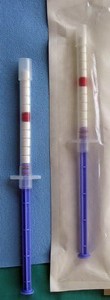
12-Month Naltrexone Chip– One-Year Naltrexone Implant
A 12-month naltrexone implant—often referred to by patients as a “one-year naltrexone chip”—is a long-acting naltrexone implant designed to provide sustained opioid receptor blockade over an extended period. It may be considered as part of longer-term treatment for opioid and alcohol dependence, while treatment for cocaine dependence requires a different clinical approach.
See our one year Naltrexone implant price
Why choose a 12-month naltrexone implant?
Some people in recovery from opioid dependence want to maintain treatment for as long as possible without having to remember to take naltrexone tablets every day.
A longer-acting naltrexone implant is designed to provide sustained opioid receptor blockade over an extended period. This can be particularly appealing if you are concerned about stopping treatment too early or finding it difficult to arrange repeated appointments for shorter-term options.
A naltrexone implant is not a standalone cure for addiction, nor does it replace counselling, psychological therapy, medical follow-up, or other elements of recovery. Instead, it can form part of a wider relapse-prevention plan.
We can provide a six-month Naltrexone implant or a one-year Naltrexone chip.
What is a 12-month naltrexone implant?
A 12-month naltrexone implant is a long-acting naltrexone implant placed under the skin. It is designed to release naltrexone gradually over an extended period, reducing the need to take naltrexone tablets every day.
Naltrexone is an opioid antagonist that blocks opioid receptors in the brain. As a result, opioids such as heroin, morphine and codeine cannot produce their usual euphoric effects when the receptors are adequately blocked.
Important note on duration: The exact strength and duration of opioid receptor blockade depend on the specific implant formulation, dose and individual factors. Therefore, the term “12-month” refers to the intended treatment duration and should not be interpreted as a guarantee that exactly the same level of blockade will be maintained for precisely 365 days in every person.
How does a one-year naltrexone implant work?
Once placed under the skin, typically in the lower abdomen, the implant is designed to release naltrexone gradually into the bloodstream over an extended period.
Naltrexone is an opioid antagonist. It binds to opioid receptors in the brain without activating them, reducing the ability of opioids such as heroin, morphine and codeine to produce their usual euphoric effects when adequate receptor blockade is maintained.
- Long-lasting protection: The main advantage of a long-acting implant is that it can provide sustained naltrexone treatment without the need to remember to take tablets every day or the risk of missed doses.
- Sustained release: The rate at which naltrexone is released depends on the specific implant formulation and individual factors. The intended release profile is designed to maintain therapeutic levels over an extended period.
How long does a naltrexone implant last?
The duration of a naltrexone implant depends on the specific formulation and treatment plan. Naltrexone implants may be designed to provide sustained release for different periods, including 2, 3, 6 or up to 12 months.
- Formulation differences: Not all naltrexone implants are designed to last for the same length of time. Therefore, some are intended for shorter treatment periods, while longer-acting formulations are designed to release naltrexone over many months.
- Individual factors: The duration and level of opioid receptor blockade can vary between individuals depending on the implant formulation, dose, release characteristics and individual metabolism.
- 12-month implants: A one-year chip is designed for long-term naltrexone treatment over an intended period of approximately one year. This does not necessarily mean that exactly the same level of medication or receptor blockade will be maintained for precisely 365 days in every person.
One-year naltrexone implant vs six-month implant
Both options are designed to provide sustained release of naltrexone and prolonged opioid receptor blockade, but they may suit different stages of recovery and treatment preferences.
| Feature | 6-Month Naltrexone Implant | One-Year Naltrexone Implant |
| Treatment duration | Shorter initial treatment window | Long-term abstinence maintenance |
| Key Advantage | Lower initial commitment | Minimises the frequency of minor procedures |
| May suit | Patients trialling long-acting treatment or assessing tolerance to naltrexone | Patients committed to long-term recovery, or those who have had naltrexone implants before |
Is a 12-month naltrexone implant suitable for everyone?
No. A one-year naltrexone chip is not suitable for everyone. Because an implant provides naltrexone over an extended period, a clinician should perform a thorough medical assessment before implantation.
Key clinical considerations
- Opioid-free before treatment: You must be opioid-free and have completed the required withdrawal period before receiving naltrexone. Starting naltrexone while physically dependent on opioids can precipitate severe withdrawal.
- Liver health: Because naltrexone is metabolised by the liver, your clinician will assess your medical history and, where appropriate, liver function before treatment.
- Pain management: Naltrexone blocks opioid receptors and can interfere with opioid pain medicines. Patients who require ongoing opioid treatment or are expecting major surgery requiring opioid analgesia may not be suitable candidates.
- Recovery support: An implant is one part of treatment and is best considered alongside counselling, psychological therapy and appropriate ongoing support.
Is a one-year naltrexone chip the same as a naltrexone implant?
"Naltrexone chip” is a term commonly used by patients to describe a naltrexone implant. The exact implant formulation, dose and release characteristics can vary, so the specific treatment should always be discussed with a qualified clinician.
One- year naltrexone implant strength and dosage
The total amount of naltrexone contained in a 12-month implant varies depending on the specific formulation, manufacturing technology and drug-delivery design. Because these implants are intended to release naltrexone over an extended period, the total amount of medication may be higher than in shorter-duration formulations.
- Controlled-release mechanisms: Rather than releasing the medication all at once, long-acting implants are designed to release naltrexone gradually over time. Different technologies may use compressed pellets, matrices or other drug-delivery systems.
- Dose and individual factors: A higher total dose does not guarantee the same level or duration of opioid receptor blockade in every patient. Individual factors can affect the absorption, distribution and metabolism of naltrexone.
- Formulation differences: Different manufacturers and formulations can have different release characteristics, meaning that two implants described as “12-month” implants may not have identical doses or release profiles.
Consulting your clinic
Because dosage and release characteristics vary between formulations, the specific implant should be discussed with a qualified clinician before treatment. If you are considering a 12-month naltrexone implant, contact our clinic to discuss whether this option is appropriate for your individual treatment plan.
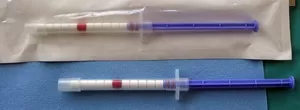
Feel free to contacts us and make an appointment for your implant procedure.