

Naltrexone Implant Clinic
Information about naltrexone implant treatment, how naltrexone implants work, how long they last, and treatment availability in the UK and Europe.
Naltrexone implants are a long-acting form of naltrexone designed to release the medication gradually over an extended period. Naltrexone is an opioid receptor antagonist that blocks the effects of opioid drugs such as heroin and morphine. It is also used as part of relapse-prevention treatment for alcohol dependence.
Naltrexone implants for 3, 6 or 12 months
At Naltrexone Implant Clinic RYW, we offer consultations and treatment options for people considering naltrexone implant treatment.
Contact us for a consultation: +44 20 3289 8289
What is a naltrexone implant?
A naltrexone implant is a small implant containing naltrexone that is placed beneath the skin. It is designed to release the medication gradually, providing longer-lasting opioid receptor blockade than daily oral naltrexone.
Naltrexone does not produce opioid effects. Instead, it blocks opioid receptors, reducing or preventing the euphoric effects normally associated with heroin and other opioid drugs.
Naltrexone is also used in the treatment of alcohol dependence. UK clinical guidance recognises naltrexone as an option for relapse prevention in suitable patients following withdrawal.
Naltrexone implants have been developed as a way of maintaining a supply of naltrexone over a longer period without the need to remember to take a tablet every day. Studies have investigated their use in opioid dependence, although the evidence for implant formulations is more limited than for established oral and injectable forms of naltrexone.
How Does a Naltrexone Implant Work?
Naltrexone works by blocking opioid receptors in the brain. When effective naltrexone blockade is present, taking an opioid such as heroin produces much less of its usual opioid effect.
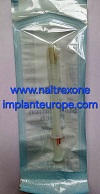
The aim of treatment is to reduce or block the rewarding effects of opioids and support continued abstinence.
Naltrexone does not treat opioid withdrawal. Anyone who is physically dependent on opioids must be opioid-free before starting naltrexone, as taking naltrexone too soon can trigger severe withdrawal symptoms.
For this reason, an appropriate medical assessment and, where necessary, detoxification are important before naltrexone treatment begins.
How long does a naltrexone implant last?
The duration depends on the implant formulation, dose and individual circumstances. Different naltrexone implants have been developed to provide sustained release over different periods.
At our clinic, treatment options may include 3-, 6- and 12-month naltrexone implants, depending on the treatment plan and the implant being used.
Naltrexone implant prices
For information about our current treatment options and prices:
View the Naltrexone Implant Pricelist
Who may consider naltrexone implant treatment?
Naltrexone may be considered as part of a relapse-prevention programme for people who have achieved the required period of abstinence and have been medically assessed as suitable for treatment.
For people recovering from opioid or heroin dependence, naltrexone can help prevent the effects of opioids after detoxification. It can also be used for relapse prevention in alcohol dependence in appropriate patients. Naltrexone has also been studied in cocaine dependence, although the evidence is more limited.
Treatment should always be based on an individual medical assessment.
Naltrexone for alcohol dependence
Naltrexone can help reduce the rewarding effects of alcohol and may reduce the risk of returning to heavy drinking in suitable patients.
UK clinical guidance recognises naltrexone as an option for relapse prevention in people with alcohol dependence following withdrawal.
Read more about Naltrexone for alcohol treatment
Naltrexone for heroin and opioid dependence
For people recovering from heroin or other opioid dependence, naltrexone provides opioid receptor blockade after an appropriate period of abstinence.
Research into naltrexone implants has found that sustained-release treatment can help some patients remain in treatment and may reduce opioid use. However, naltrexone is only one part of addiction treatment and does not replace counselling, aftercare or other forms of support.
12-Month Naltrexone Implant – Patient Experience from London
In this video, a client from London shares his experience of having a 12-month naltrexone implant fitted and discusses how the opioid blocker works.
He talks about his experience with naltrexone implant treatment and how opioid blockade can support people recovering from heroin and other opioid dependence.
The video may be useful for people from the UK, Ireland and Europe who are considering naltrexone implant treatment and would like to hear about the experience of someone who has undergone the procedure.
Naltrexone is available in different forms, including tablets, injections and implants. Implant formulations may be designed to provide sustained release over different periods, including 3, 6 and 12 months, depending on the product and treatment plan.
Please note: this video reflects one patient's personal experience and should not be interpreted as a guarantee of treatment results. Naltrexone treatment should be considered following an appropriate medical assessment.
Naltrexone implants for cocaine dependence
Naltrexone has also been studied as a possible treatment for cocaine dependence. As an opioid receptor antagonist, it does not produce a stimulant effect and does not replace cocaine with another drug.
Research into naltrexone for cocaine use has produced mixed results, and there is currently less evidence for its use in cocaine dependence than for opioid or alcohol dependence. A naltrexone implant may nevertheless be considered as part of an individual treatment plan where clinically appropriate.
For people seeking help with cocaine or crack cocaine use, treatment is usually most effective when medication is combined with appropriate psychological support, relapse-prevention strategies and ongoing aftercare.
Read more about naltrexone for cocaine and crack cocaine use
Where are naltrexone implants available?
Naltrexone Implant Clinic RYW provides consultations and treatment options for people travelling from the UK, Ireland and across Europe.
Naltrexone implant clinic UK
If you are considering a naltrexone implant, you can contact us to discuss availability, treatment options, the procedure and the different implant durations.
Contact Naltrexone Implant Clinic RYW
How is a naltrexone implant fitted?
A naltrexone implant is inserted beneath the skin during a minor surgical procedure.
The exact technique and location depend on the implant being used and the clinician carrying out the procedure. The area is treated with local anaesthetic, and the implant is inserted through a small incision.
After the procedure, you will be given instructions on caring for the implant site and reducing the risk of infection or other complications.
Before treatment, patients must be assessed to ensure that naltrexone is medically appropriate and that starting treatment will not cause opioid withdrawal.
Naltrexone implant procedure and aftercare
Following the procedure, the implant site needs to be looked after according to the instructions provided by the treating clinician.
The wound should be kept clean and monitored for signs of infection, unusual swelling or other problems. You should also follow the advice given about physical activity and wound care while the incision heals.
For more information, see:
Frequently asked questions about naltrexone implants
Does a naltrexone implant stop cravings
Naltrexone can reduce the rewarding effects of opioids and may help with relapse prevention. Some people may also experience a reduction in cravings.
However, an implant is not a cure for addiction and works best as part of a wider treatment and aftercare programme.
Is naltrexone an opioid?
No. Naltrexone is an opioid receptor antagonist. It does not produce the euphoric effects associated with opioid drugs.
How is a naltrexone implant different from a naltrexone tablet?
Both naltrexone implants and naltrexone tablets provide the same active medication, but they differ in how the medicine is delivered.
A naltrexone tablet needs to be taken regularly, so treatment depends on remembering to take each dose. Missing doses can reduce the consistency of naltrexone treatment.
A naltrexone implant is designed to release naltrexone gradually over an extended period. This means there is no daily tablet to remember, which may be an advantage for people who find regular medication difficult to maintain.
Studies of naltrexone implants for opioid dependence have found higher treatment retention and, in some studies, lower opioid use compared with oral naltrexone. However, the evidence for implants is more limited than for established oral and injectable formulations, so the most appropriate option depends on the individual patient.
For someone who has been assessed as suitable for naltrexone treatment, the main practical advantage of an implant is therefore continuous delivery without the need to remember a daily tablet.
UK Health Research Authority – Naltrexone Enhanced Addiction Treatment (NEAT)
Regulatory information
Naltrexone implants are not a standard licensed formulation of naltrexone in the UK. Depending on the specific implant product and circumstances, treatment may involve an unlicensed medicinal product or the use of a licensed medicine outside the terms of its licence.
Where an unlicensed or off-label medicine is considered appropriate, the decision should be made by a suitably qualified prescriber following an individual medical assessment. Patients should be given appropriate information about the treatment, including its potential benefits and risks.
