

Naltrexone Chip (Naltrexone implant)
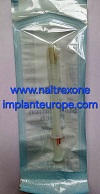
A naltrexone chip—also commonly referred to as a naltrexone implant or pellet—is a long-acting formulation placed under the skin. It provides a sustained release of naltrexone into the bloodstream, helping to support recovery from opioid or alcohol dependence without the need for daily tablets. Naltrexone has also been investigated as part of treatment approaches for cocaine dependence, although its role in cocaine treatment is less established.
Overview of Naltrexone Chip (Naltrexone Implant)
How Naltrexone Works
Naltrexone binds to opioid receptors in the brain and blocks the effects of opioid drugs. As a result, opioids such as heroin and prescription opioids cannot produce their usual euphoric effects while naltrexone is active in the body.
Opioid Dependence: Blocks the effects of externally administered opioids and can help prevent relapse following detoxification.
Alcohol Dependence: Can help reduce alcohol cravings and support abstinence by influencing the brain's reward pathways.
Cocaine Dependence: Naltrexone has also been investigated as part of treatment approaches for cocaine dependence, although its role in cocaine treatment differs from its established use for opioid and alcohol dependence.
Formulation of Naltrexone Chip:
A naltrexone chip is a small pellet inserted under the skin, usually through a minor procedure performed under local anaesthetic. The implant is designed to release naltrexone gradually over an extended period, potentially reducing the need for daily medication.
The duration of an implant can vary depending on the formulation and the individual treatment plan, with implants commonly designed to provide coverage for several months and, in some cases, up to 12 months.
Indications of Naltrexone:
Naltrexone implants are primarily used for the following types of dependency:
- Opioid dependence: To prevent relapse in individuals recovering from opioid addiction after detoxification.To help prevent relapse after detoxification by blocking the effects of opioids.
- Alcoholism: To help reduce cravings and support abstinence.
- Cocaine dependency: Naltrexone has also been investigated as part of treatment approaches for cocaine dependence, although its role is less established than for opioid and alcohol dependence.
Administration:
The procedure is carried out in a clinical setting under local anaesthetic. A small incision is made, typically in the lower abdomen, and the naltrexone pellet is gently placed beneath the skin. The incision is then closed with stitches.
Most patients can resume light, normal activities shortly after the procedure, although individual recovery times vary. Your healthcare team will provide specific aftercare instructions to support clean and proper healing..
Benefits of Naltrexone Chip:
- Convenience: A long-acting implant can reduce the need to remember daily tablets.
- Long-term medication delivery: Naltrexone is released gradually over an extended period.
- Support for recovery: Naltrexone can help prevent opioid effects and may help reduce alcohol / cocaine cravings.
- No daily dosing: This can be particularly useful for people who find daily medication difficult to maintain.
Side Effects:
Possible side effects of naltrexone may include:
- Nausea - rarely - usually when the patient didn't have anything to eat prior to the procedure
- Headache - extremely rarely
- Fatigue
- Implant insertion site reactions (pain, swelling, or infection) - in about 7% of cases. More often when the follow up recommendations weren't respected, sometimes due to allergic reaction
It is important to realize that individuals should be opioid-free for a specified period (often several days to a week) before receiving the naltrexone chip to avoid precipitating withdrawal symptoms. No alcohol is allowed.
Opioid-Free Requirement Before Treatment
It is essential to be opioid-free before starting naltrexone treatment. If naltrexone is administered while opioids are still present in the body, it can trigger precipitated withdrawal — a sudden and potentially severe onset of withdrawal symptoms.
- Typical Timeline: The required opioid-free period varies depending on the opioid used. It is often around 7–10 days after short-acting opioids, while a longer period is required after long-acting opioids such as methadone or buprenorphine.
- Clinical Assessment: Before naltrexone treatment, a medical assessment is required to determine whether opioids have cleared sufficiently. This may include a urine drug screen and, where clinically appropriate, a naloxone or naltrexone challenge test.
Considerations:
Individual Assessment: Not all individuals are suitable candidates for a naltrexone chip. Furthermore, treatment plans should certainly be tailored to each person's needs
Supportive Therapy: The implant is generally more effective when combined with comprehensive treatment programs, including counseling and support groups.
Risk of Opioid Overdose: Since naltrexone blocks the effects of opioids, using opioids while naltrexone is active can lead to overdose if the individual attempts to overcome the blockade.
Naltrexone Chip UK for Alcohol and Cocaine Dependence
Although naltrexone is most firmly established as a treatment for opioid and alcohol dependence, its potential role in managing cocaine dependence has also been investigated. While alcohol and cocaine are distinct substance use disorders, they can involve overlapping reward and craving pathways in the brain.
- Investigational application: Unlike its established uses for opioid and alcohol dependence, naltrexone is not a universal or standalone treatment for cocaine dependence.
- Individualised evaluation: Because treatment response varies between individuals, the suitability of naltrexone for cocaine dependence should be assessed case by case by a qualified clinician as part of a broader recovery plan.
Summary: Naltrexone Implant Therapy
A naltrexone chip (naltrexone implant) offers a long-acting alternative to daily tablets, providing a sustained release of naltrexone to support recovery. It can be used as part of a structured treatment programme for opioid or alcohol dependence, and may also be considered in selected cases involving cocaine dependence. A thorough medical assessment is essential before placement to determine suitability and ensure that treatment is provided safely.
