

What Is Naltrexone?
Naltrexone is an opioid antagonist medication used to help people remain free from opioids and, in some cases, to support treatment for alcohol and cocaine dependence. It works by blocking opioid receptors, preventing opioids from producing their usual euphoric and pain-relieving effects.
On this page, you’ll find answers to common questions about naltrexone treatment in the UK, including how it works, including what naltrexone is, how it works, what “opioid antagonist” means, and how naltrexone tablets, injections and implants differ.
What does “opioid antagonist” mean?
An opioid antagonist is a medicine that blocks opioid receptors rather than activating them.
Naltrexone has a strong affinity for opioid receptors. When it occupies these receptors, it prevents opioid drugs such as heroin, morphine, oxycodone and other opioids from producing their usual effects.
Unlike opioid agonist medicines, naltrexone does not produce an opioid high or euphoria and does not cause opioid dependence when taken as prescribed.
What does “pure opioid antagonist” mean?
As a pure opioid antagonist, naltrexone blocks opioid receptors without activating them. Unlike opioid agonists or partial agonists, it has no opioid agonist effects and does not produce a “high”, euphoria or sedation. Naltrexone is not an opioid and does not cause opioid dependence.
What does naltrexone block?
Naltrexone blocks the effects of opioids at opioid receptors in the brain and other parts of the body, particularly the mu-opioid receptor (μ-opioid receptor). Activation of these receptors contributes to the euphoria and rewarding effects associated with opioids such as heroin, morphine, codeine and methadone.
Important safety note: Naltrexone does not make a person immune to opioids. Attempting to overcome the opioid blockade by taking larger amounts of opioids is extremely dangerous and can result in a potentially fatal overdose.
What is naltrexone used for?
Naltrexone is licensed in the UK for the treatment of alcohol dependence and can be used as part of a structured treatment programme for opioid dependence. It can also be used for the treatment of cocaine dependence in some countries.
For opioid dependence: Naltrexone is used after a person has stopped taking opioids and completed an appropriate opioid-free period. The required period varies depending on the opioid used and the individual's circumstances. Naltrexone is not an opioid substitute like methadone or buprenorphine and does not relieve opioid withdrawal. Starting naltrexone while opioids are still present in the body can trigger sudden and severe withdrawal symptoms in someone who is physically dependent on opioids.
Relapse prevention and support: By blocking the effects of opioids, naltrexone can help prevent opioids from producing their usual euphoric effects. However, naltrexone is not a standalone cure for addiction. It is generally used as part of a broader recovery plan that may include psychological therapy, counselling, relapse-prevention support and other appropriate services.
If you have any questions fell free to contact us at ask@refindyourway.com Our medical team will be happy to help you.
Does naltrexone stop opioid cravings?
Naltrexone can significantly reduce or, in some people, largely eliminate opioid cravings. By blocking opioid receptors, it prevents opioids from producing their usual rewarding effects, which can make the desire to use opioids considerably weaker.
Breaking the reward cycle: When opioids no longer produce the expected euphoria or reward, many patients find that the urge to use becomes less intense over time. In our clinical experience, a significant proportion of patients report a substantial reduction in cravings while receiving naltrexone treatment.
The importance of support: Cravings and emotional triggers can still occur, particularly during early recovery. Naltrexone works best as part of a broader treatment plan that may include counselling, psychological support, relapse-prevention strategies and ongoing clinical care.
Important: Naltrexone is intended for people who have stopped using opioids and are no longer physically dependent on them. Starting treatment too soon can precipitate sudden and severe opioid withdrawal.
Can naltrexone cause withdrawal?
Naltrexone does not cause opioid withdrawal in someone who is already opioid-free. However, taking naltrexone while a person is still physically dependent on opioids can trigger precipitated withdrawal — a sudden and potentially severe onset of opioid withdrawal symptoms.
The opioid-free period: Before starting naltrexone, a person must be free from opioids for an appropriate period. The required interval depends on the opioid used, how long it has been used, and the individual's circumstances. Short-acting opioids may require a shorter opioid-free period, while longer-acting opioids such as methadone or buprenorphine may require considerably longer. A clinician should determine when it is safe to begin treatment.
Clinical assessment: Before starting naltrexone, a healthcare professional should assess recent opioid use and confirm that the patient is no longer physically dependent on opioids. Depending on the circumstances, this may include a urine drug test and, where clinically appropriate, other methods of confirming opioid abstinence.
Can you take naltrexone after heroin or other opioids?
Yes, but you must be completely opioid-free before taking your first dose of naltrexone. Taking naltrexone while opioids are still in your system can trigger precipitated withdrawal — a sudden, severe and distressing onset of withdrawal symptoms.
The required opioid-free period depends on the type of opioid used:
- Short-acting opioids such as heroin, morphine, oxycodone and codeine: usually require an opioid-free period of at least 7–10 days.
- Long-acting opioids such as methadone and buprenorphine: usually require a longer opioid-free period, often 10–14 days or more.
Medical assessment: The exact timing should be determined by a doctor or qualified addiction specialist. Before starting naltrexone, the clinician may assess your medical history, confirm your recent opioid use and perform a urine drug test. In some circumstances, additional testing may be required to help confirm that opioids have cleared from the body.
Important: Do not start naltrexone simply because you have reached a particular number of opioid-free days. The appropriate timing varies between individuals and depends on the opioid used, dose, duration of use and other factors.
How does naltrexone work for alcohol dependence?
Naltrexone can also be used as part of treatment for alcohol dependence. Unlike disulfiram, it does not make drinking alcohol physically unpleasant or cause a disulfiram-like reaction. Instead, naltrexone blocks opioid receptors involved in the brain's reward system and can reduce the pleasurable and reinforcing effects of alcohol.
For some people, this can lead to a significant reduction in alcohol cravings and the urge to continue drinking. It may also help reduce the risk that a lapse develops into a full relapse.
Reducing the reward from alcohol: Alcohol affects the brain's endogenous opioid system, which contributes to its pleasurable and reinforcing effects. By blocking opioid receptors, naltrexone can reduce some of these rewarding effects, making alcohol less reinforcing for some patients.
Part of a wider treatment plan: Naltrexone is not a standalone cure for alcohol dependence. NICE recommends its use alongside psychological and psychosocial support as part of a comprehensive treatment programme.
Important: Naltrexone should be prescribed only after an appropriate clinical assessment. People who are physically dependent on opioids must be opioid-free before starting naltrexone, because it can precipitate severe opioid withdrawal. Liver function and other medical factors should also be considered before and during treatment.
Can naltrexone reduce alcohol cravings?
Yes. Naltrexone can reduce alcohol cravings and the rewarding effects of drinking, although the response varies between individuals. UK prescribing information describes naltrexone as reducing the desire for alcohol during abstinence and after alcohol consumption.
In our clinical experience, many patients report that alcohol cravings become much weaker or substantially easier to manage during naltrexone treatment. This can make it easier to maintain abstinence and break the cycle of repeated drinking.
How is naltrexone administered?
Naltrexone is available in several formulations, including oral tablets, long-acting injections and naltrexone implants. In the UK, licensing and availability vary depending on the formulation and whether treatment is provided through the NHS or privately.
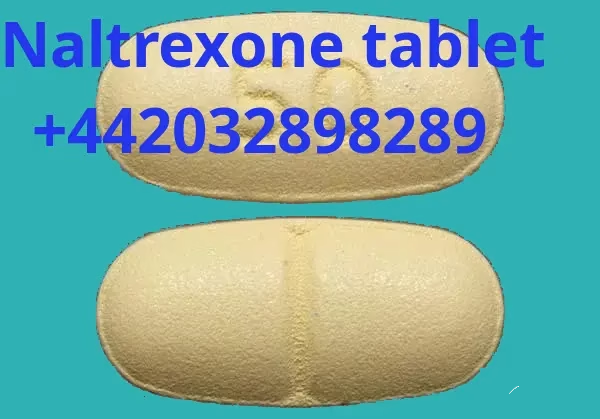
Naltrexone tablets
Oral naltrexone is a licensed treatment option in the UK for appropriate patients with alcohol dependence and opioid dependence. It is taken by mouth, usually once daily.
Because the medication has to be taken regularly, adherence is an important part of treatment. Naltreone tablets are available through NHS services in appropriate circumstances as well as through private addiction-treatment providers.
Naltrexone injections
Long-acting injectable naltrexone provides sustained medication without the need to take a tablet every day. Vivitrol®, for example, is a prolonged-release formulation administered by a healthcare professional.
Availability in the UK can be more limited than oral naltrexone, and some formulations are used through specialist or private services rather than being routinely available through the NHS. Patients should confirm the current licensing and availability of the naltrexone injection with their healthcare provider.
Naltrexone implants
Naltrexone implants are inserted under the skin during a minor surgical procedure and are designed to release naltrexone gradually over a period of several months.
Naltrexone implants are not routinely available through the NHS and are generally accessed through specialist private clinics. The duration of release depends on the particular implant formulation and individual patient factors, so the expected treatment period should be discussed with the treating clinic.
One important point for patients
Regardless of the formulation, naltrexone should only be started after an appropriate opioid-free period. Starting naltrexone while opioids are still present in the body can cause precipitated withdrawal.
Naltrexone for UK patients
If you are in the UK and considering naltrexone treatment, it is important to understand the difference between licensed oral naltrexone treatment and specialist access to implants or long-acting injections.
Oral naltrexone tablets are widely used within UK addiction-treatment services, including NHS services where clinically appropriate.
Naltrexone implants and long-acting injections have different availability and regulatory considerations in the UK. They may be accessed through specialist private services and, depending on the specific medicine and circumstances, through applicable named-patient or import arrangements.
A consultation is therefore important before deciding which form of naltrexone is appropriate.
Need more information about naltrexone treatment?
If you are considering naltrexone tablets, an implant or injectable treatment, our medical team can discuss the available options and explain the treatment process.
WhatsApp: +44 7424 474635
Email: ask@refindyourway.com
We can provide information about naltrexone treatment and help UK patients understand which options may be available to them.
